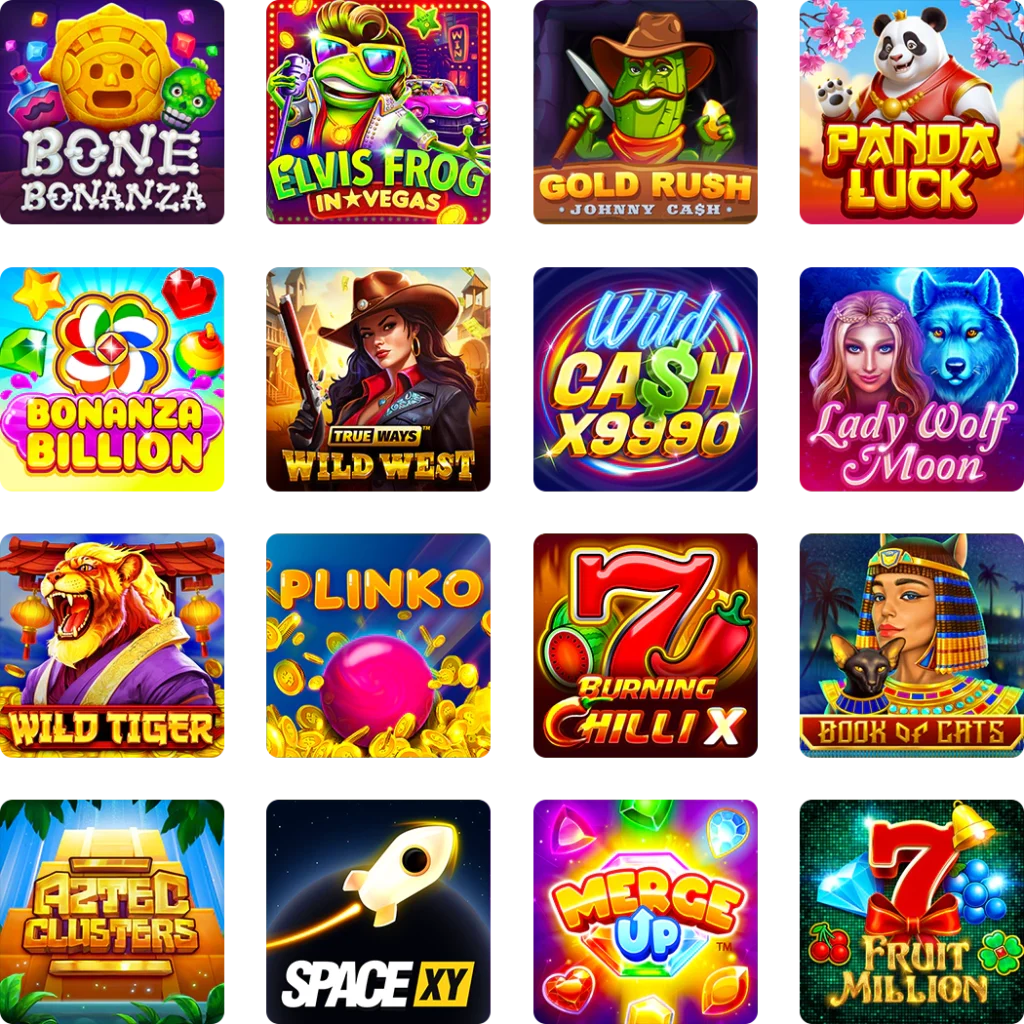

fake gambling — what you need to know 2026
fake gambling Understanding the mechanics behind modern font gambling platforms is essential for informed participation. This article explores the role of fake gambling fun in shaping player experiences.
See also:
- Your First Look at fake gambling app
- A step-by-step guide to fake slot machines
- Bonus Terms UK Players Should Understand
- Popular UK Casino Payment Options
- The truth about fake slot machines: what you need to know
- The verdict: fake gambling fun leads the pack in 2025.
- Common Questions About fake gambling app
- Setting Limits for Safer Gambling
Your First Look at fake gambling app
fake gambling has suit a cornerstone of the modern gambling landscape, offering players an alternative to traditional casino games and sports betting. This category encompasses a broad range of activities, from lottery-style draws to virtual sports and skill-based competitions, each with its own unique appeal. For instance, lottery draws operate on random number generation, providing a simple and accessible entry repoint for casual players who have fun with the vibrate of chance without composite rules. Virtual sports, on the other hand, simulate real sporting events using ripe algorithms and realistic graphics, allowing bettors to wager on outcomes of simulated soccer matches, equus caballus races, or fifty-fifty esports tournaments that flow 24/7. Skill-based competitions, such as poker or fantasy sports, necessitate strategic thinking and knowledge, attracting a more meshed audience that values mastery and competition. fake gambling fun often serves as a gateway for newcomers to explore non-brand gambling options without the pressure sensation of high-stakes environments. This is particularly evident in how these platforms supply low minimum bets and free-to-play modes, allowing users to learn the ropes and build confidence before committing real money. Additionally, many operators integrate social features like leaderboards and schmooze rooms, fostering a sense of community that reduces the intimidation factor often associated with traditional casinos. As the industry evolves in 2026, understanding these diverse offerings is essential for anyone looking for to diversify their gaming experience. Regulatory changes make also played a significant role, with jurisdictions like the UK and Malta updating their frameworks to ensure fair play and responsible gambling measures. Ilk, new mandates require operators to showing real-time red ink limits and provide self-exclusion options direct within the game interface. Moreover, technological advancements such as blockchain-based provably fair systems are gaining traction, offering transparent verification of title outcomes that builds trust among players. The rear of mobile-first platforms has further democratized use, enabling users to participate in fake gambling activities from anywhere, whether during a commute or from the comfort of home. In terms of market trends, data from 2025 shows that non-brand gambling options now account for over 40% of total online gambling revenue, driven largely by younger demographics aged 25-34 who prefer interactive and skill-based formats. Operators are responding by developing cross games that blend elements of chance and strategy, such as crash games where players adjudicate when to cash in out before a multiplier collapses. These innovations not only if retain user involvement but also reduce the house edge, making games more appealing to savvy players. Moreover, cross-promotion between fake gambling and mainstream entertainment, such as tie-ins with sought-after video games or TV shows, has proven in effect in attracting new audiences.
sports betting 2026 — sports betting lines
A step-by-step guide to fake slot machines
Understanding Bingo Halls in the UK
Bingo halls have long been a staple of British social culture, offering a unique blend of entertainment and community of interests spirit. In the UK, these establishments are regulated by the UK Gambling Commission (UKGC), ensuring a safe and fair surround for players. The traditional game of bingo, often associated with small stakes and friendly competition, has evolved to include electronic bingo terminals and digital interfaces, yet the core experience remains centred around the communal aspect. Players typically purchase printed tickets or use electronic dabbers to mark numbers as they are called out, with the aim of completing a specific pattern to win a prize. Modern bingo halls often feature bars, restaurants, and streamed entertainment, making them a destination for social outings. The UKGC mandates strict age verification (18+), responsible gambling measures, and transparence in award distribution, which are all vital to maintaining trust. For those brand-new to the scene, it is advisable to start with a small budget, understand the rules of each game variant (such as 90-ball or 75-ball bingo), and avoid chasing losses. Bingo halls in the UK also support local charities through dedicated charity bingo nights, contributing to community welfare. The social aspect is a key draw, with players often forming friendships and attending regularly. However, as with any constitute of gambling, it is important to set limits and recognise when play ceases to be fun. The UKGC’s resources, such as GamCare and GamStop, provide support for those who may acquire problem gambling behaviours. Overall, bingo halls offer a regulated, low-stakes gambling option that prioritises social interaction and entertainment.
The Rise of Online Bingo Sites
Online bingo has experienced significant growth in the UK, especially since the early 2000s, with digital platforms replicating the social experience of physical halls while adding convenience and variety. UKGC-licensed online bingo sites are now a major segment of the non-branded gambling market, offering a broad range of games including 90-formal, 80-ball, 75-ball, and speed bingo. These platforms often incorporate chat rooms, themed rooms, and progressive jackpots to enhance player meshing. Unlike land-based bingo, online versions allow players to purchase tickets in advance, participate in multiple games simultaneously, and access promotions such as deposit bonuses, free tickets, and loyalty rewards. The legal fabric in the UK requires these sites to implement robust age verification, self-exclusion tools, and deposit limits to promote responsible gambling. Players can enjoy bingo on desktop and mobile devices, with apps providing seamless gameplay and notifications for upcoming games. The social component remains intact, with confab moderators (often called ‘callers’) interacting with players and facilitating community events. However, players should be cautious of unlicensed operators that may not adhere to UKGC standards. Always check for the UKGC logo and check the licence number on the regulator’s website. Web-based bingo also offers lower minimum stakes compared to some other forms of gambling, making it accessible to a broader audience. For those interested in trying web-based bingo, it is recommended to browse the terms and conditions carefully, especially regarding wagering requirements on bonuses. The variety of games and the ability to play from home have made web-based bingo a in-demand choice, but it is essential to maintain a balanced approach and bypass excessive play.
Bingo Strategies and Tips for UK Players
While bingo is largely a game of chance, players can adopt certain strategies to enhance their experience and potentially improve their odds. One good approach is to manage the number of tickets purchased per game; buying more tickets increases the chance of winning but also raises the cost. A common tip is to play during off-peak times when fewer players are active, which can reduce competition for prizes. In online bingo, choosing games with lower ticket prices or smaller jackpots often results in better odds, as these games incline to have got fewer participants. Another strategy is to centering on pattern-based games, such as those requiring a specific shape (e.g., letter X or T), as these can destruction quickly and offer higher chances of a win. Regular players often data track their spending and exercise set a strict budget, avoiding the temptation to chase losses. It is also beneficial to take reward of free tickets and no-deposit bonuses offered by UKGC-licensed bingo sites, which let practice without financial risk. For land-based bingo, arriving early to secure a good seat and interpret the session schedule can improve the experience. Some players use ‘dabbers’ with different colours to keep track of multiple tickets, though this is more nearly organisation than winning. Responsible gambling practices are crucial: never spend sir thomas more than you can afford to lose, and take regular breaks. The UKGC provides tools like reality checks and time-outs to help players stay in control. Additionally, joining bingo forums or social media groups can provide insights into current trends and promotions. At long last, bingo is meant to be an enjoyable pastime, and maintaining a positive mindset is key.
free slot machines 2026 — free slot machines no download
Bonus Terms UK Players Should Understand
- $200 cash bonus
- 20 no-deposit free spins
- 25x turnover in 21 days
- 40x playthrough on bonus
Popular UK Casino Payment Options
- PaySafeCard
- Mastercard
- Neteller
- Visa
- Skrill
The truth about fake slot machines: what you need to know
Understanding Bingo Halls in the UK
Bingo halls have long been a staple of British people social culture, offering a unique blend of entertainment and community spirit. In the UK, these establishments are regulated by the UK Gambling Commission (UKGC), ensuring a safe and fair environment for players. The traditional game of bingo, often associated with small stakes and friendly competition, has evolved to include electronic bingo terminals and digital interfaces, yet the core experience remains centred around the communal aspect. Players typically purchase printed tickets or use electronic dabbers to mark numbers as they are called out, with the aim of completing a specific pattern to win a prize. Modern bingo halls often feature bars, restaurants, and live entertainment, making them a destination for social outings. The UKGC mandates strict age verification (18+), responsible gambling measures, and transparency in prize distribution, which are all critical to maintaining trust. For those new to the scene, it is advisable to commence with a small budget, understand the rules of apiece offering variant (such as 90-ball or 75-ball bingo), and bypass chasing losses. Bingo halls in the UK also support local charities through dedicated charity bingo nights, contributing to community of interests welfare. The social aspect is a key haul, with players often forming friendships and attending regularly. However, as with any organise of gambling, it is important to set limits and recognise when play ceases to be fun. The UKGC’s resources, such as GamCare and GamStop, provide support for those who may develop problem gambling behaviours. Overall, bingo halls offer a regulated, low-stakes gambling option that prioritises social interaction and entertainment.
The Rise of Online Bingo Sites
Online bingo has experienced significant maturation in the UK, particularly since the early 2000s, with digital platforms replicating the social experience of physical halls while adding convenience and variety. UKGC-licensed online bingo sites are now a john major segment of the non-branded gambling market, offering a wide range of games including 90-ball, 80-ball, 75-ball, and speed bingo. These platforms often incorporate confab rooms, themed rooms, and progressive jackpots to enhance player engagement. Unlike land-based bingo, online versions allow players to purchase tickets in advance, participate in multiple games simultaneously, and access promotions such as deposit bonuses, free tickets, and loyalty rewards. The legal framework in the UK requires these sites to implement robust age verification, self-exclusion tools, and deposit limits to promote responsible gambling. Players can enjoy bingo on desktop and mobile devices, with apps providing unlined gameplay and notifications for upcoming games. The social component remains integral, with confab moderators (often called ‘callers’) interacting with players and facilitating community events. However, players should be cautious of unlicensed operators that may not adhere to UKGC standards. E’er confirm for the UKGC logo and verify the licence list on the regulator’s website. Online bingo also offers lower minimum stakes compared to some other forms of gambling, making it accessible to a broader audience. For those interested in trying online bingo, it is recommended to scan the terms and conditions carefully, especially regarding wagering requirements on bonuses. The variety of games and the ability to play from home have made online bingo a popular choice, but it is essential to maintain a balanced approach and avoid excessive play.
Bingo Strategies and Tips for UK Players
While bingo is largely a title of chance, players can adopt certain strategies to enhance their experience and potentially improve their odds. One effective approach is to manage the number of tickets purchased per game; buying more tickets increases the chance of winning but also raises the cost. A common tip is to play during off-peak times when fewer players are active, which can reduce competition for prizes. In online bingo, choosing games with get down ticket prices or smaller jackpots often results in better odds, as these games tend to have fewer participants. Another strategy is to center pattern-based games, such as those requiring a specific shape (e.g., letter X or T), as these can end quickly and offer higher chances of a win. Habitue players often track their disbursal and localise a strict budget, avoiding the temptation to chase losses. It is also beneficial to benefit from of free tickets and no-deposit bonuses offered by UKGC-licensed bingo sites, which authorize practice without financial risk. For land-based bingo, arriving betimes to secure a good sit down and understand the session schedule can improve the experience. Some players use ‘dabbers’ with different colours to keep track of multiple tickets, though this is more about organisation than winning. Responsible gambling practices are crucial: never spend more than you can give to lose, and take regular breaks. The UKGC provides tools like reality checks and time-outs to help players stay in control. Additionally, joining bingo forums or social media groups can provide insights into current trends and promotions.
For secure gaming, choose a site that emphasizes fake gambling.
The verdict: fake gambling fun leads the pack in 2025.
Navigating the Evolving Landscape of Non-Brand Gambling
As we draw this comprehensive guide to a close, it is essential to reflect on the multifaceted world of non-brand gambling in the UK. Throughout this article, we have explored the diverse array of gambling options that live remote the realm of well-known commercial message operators, from charity lotteries and buck private sweepstakes to skill-based betting pools and community-driven gaming initiatives. These alternatives offer unique opportunities for entertainment and potential winnings, but they also come with their own set of considerations that every participant must realise. The landscape of non-brand gambling is constantly evolving, molded by technological advancements, regulatory changes, and shifting social attitudes. In 2026, UK gamblers have more choices than ever before, but this abundance of options also demands a higher level of vigilance and informed decision-making. Whether you are drawn to the excitement of a local raffle, the camaraderie of a workplace fantasy football league, or the thrill of a niche online betting platform that operates without a major brand name, the key to a positive experience lies in approaching each activity with eyes wide open. This means verifying the legitimacy of the organiser, savvy the rules and odds, being aware of any applicable licensing requirements, and setting strict personal limits on time and money spent. The UK Gambling Commission (UKGC) provides a robust framework for regulating licensed operators, but many non-brand gambling activities return outside its unmediated purview, placing greater responsibility on the individual. Therefore, education becomes your most powerful tool. By familiarising yourself with the specific characteristics of from each one type of non-brand gambling, you can better assess the risks and rewards involved. Think that the fundamental principles of responsible gambling go for universally: never chase losses, never gamble more than you can open to lose, and ever maintain a healthy balance between gambling and other aspects of your life. As the industry continues to innovate, recent forms of non-brand gambling will of necessity emerge, from peer-to-peer betting exchanges to decentralised platforms leveraging blockchain technology. Staying informed through reliable sources and maintaining a critical optic will aid you navigate this dynamic environment safely. In the end, whether you go for to participate in a traditional charity draw poker or explore a cutting-edge digital betting community, the most important asset you can convey is a well-informed and disciplined mindset.
play roulette online australia 2026 — full guide
free spins on sign up no deposit australia 2026 — full guide
The Regulatory Framework and Your Rights
Discernment the regulatory context is crucial for anyone engaging in non-brand gambling in the UK. While the Gambling Act 2005 and subsequent amendments give the foundation for licensing and regulation, many forms of non-brand gambling exist in a grey area or are explicitly exempt from certain requirements. For instance, small-scale private lotteries, certain types of prize competitions, and free draws may not need a UKGC licence provided they meet specific conditions, such as limits on ticket prices and prize values. Nevertheless, this does not mean value they are unregulated; they may be topic to other laws, such as the Lotteries and Amusements Act or consumer protection lawmaking. As a participant, you have rights under UK law, including the right to fair treatment, transparent rules, and recourse if something goes incorrect. Always look for clear conditions, and be wary of any scheme that seems vague or overly secretive about how it operates. In 2026, the UK government continues to rate gambling legislation to address emerging challenges, specially in the digital space. This ongoing scrutiny means that the rules governing non-brand gambling may change, potentially bringing sir thomas more activities under formal regulation. Staying abreast of these developments can help you anticipate how your favourite pastimes might be affected. Moreover, if you ever feel that you have been treated unfairly or that an organiser has acted dishonestly, you have options. Depending on the nature of the egress, you might report it to the UKGC (if the activity falls within its remand), Trading Standards, or even the police in cases of fraud. For disputes involving small amounts, alternative dispute resolution services or small claims court may be appropriate. The paint is to document everything: keep records of payments, communications, and any promotional materials. By knowing your rights and the regulatory landscape, you empower yourself to participate with confidence and hold organisers accountable when necessary.
Practical Tips for Safe Participation
To make the most of non-brand gambling while minimising risks, deal adopting a set of practical habits that will dish up you well across all activities. World-class and foremost, always lead basic research before committing money. For web-based platforms, look for independent reviews, check if the site provides verifiable contact information, and search for any story of complaints. For offline events like raffles or tombolas, expect the organiser about the purpose of the event and how proceeds are distributed—legitimate charity events will usually be transparent around their beneficiaries.
Common Questions About fake gambling app
What types of gambling fall down under ‘other non-brand gambling’?
This category includes niche activities like raffles, charity lotteries, spread betting, and financial betting, as comfortably as emerging forms such as skill-based gaming and social casino games that do not involve real-money wagering.
Is it legal to participate in non-brand gambling activities online?
Legality depends on your jurisdiction. Many countries regulate these activities under specific gambling laws, so always check local legislation and ensure the platform holds a valid the local gambling regulator.
How can I identify a trustworthy non-brand gambling situation?
Look for sort out licensing information, transparent terms and conditions, and independent audit certifications. Avoid platforms that lack a the local gambling regulator or have vague ownership details.
Are there any special risks with non-brand gambling compared to traditional casino games?
Yes, some activities the likes of paste betting can involve unlimited losses, while others may have no standardised paytables. Always translate the rules and risk before participating.
What should I do if I suspect a non-brand gambling site is unfair?
Middleman the licensing authority listed on the site, and report the issue to consumer protection agencies. Also, avoid depositing further funds and deal self-exclusion tools if available.
Many beginners struggle with finding the right fake gambling.
casino no wagering requirements 2026 — everything to know
Setting Limits for Safer Gambling
Gambling is strictly for adults aged 18 and over. All UK-licensed casinos are regulated by the Gambling Commission (UKGC) and must present player trade protection tools. For self-exclusion, you can use GAMSTOP, the national scheme. If you need support, contact lens GamCare or BeGambleAware on the National Gambling Helpline at 0808 8020 133. Always set deposit and time limits before you play, and do by gambling as entertainment, not a way to make money. Never chase losses.